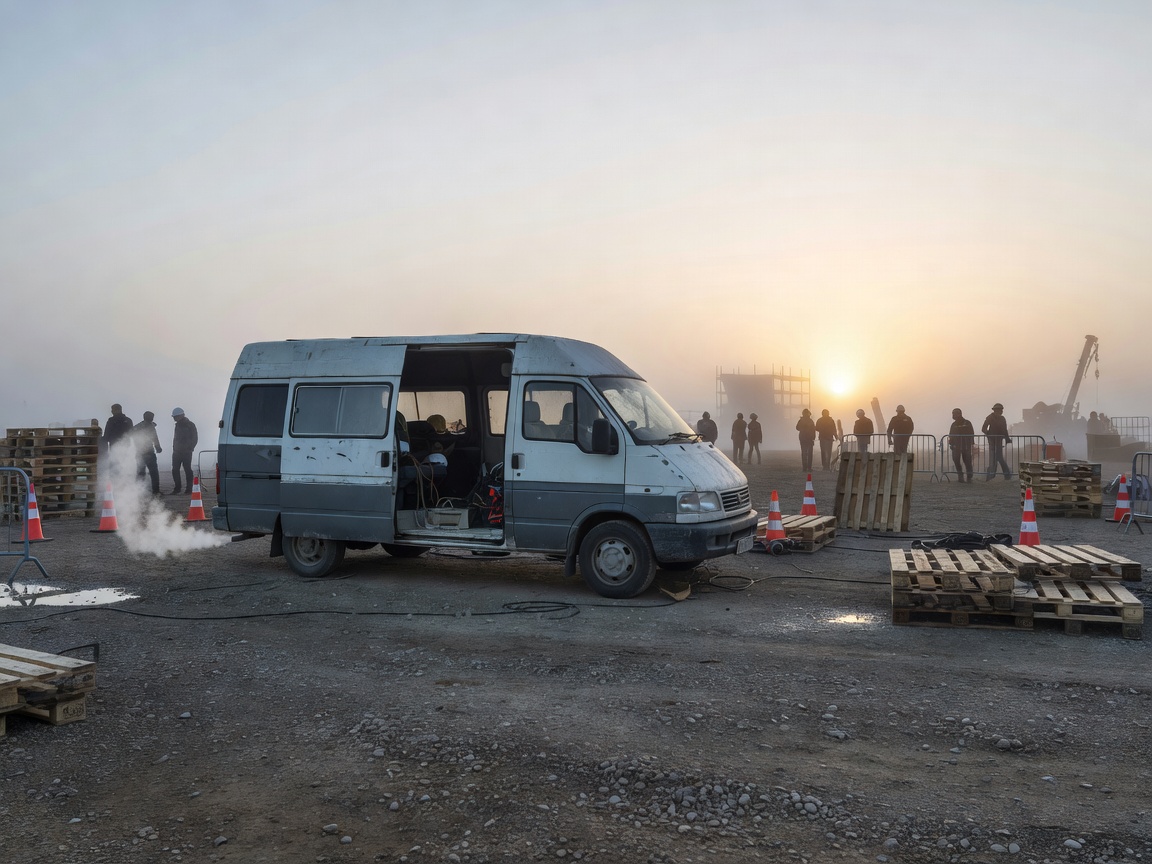
Moving the Production Forward
A film set cannot function if the crew is delayed. Crew movement is one of the most stressful aspects of production management, especially when dealing with split locations, early call times, and fluctuating weather conditions. Our approach to crew transport planning ensures that your cast and technicians arrive at basecamp, and subsequently at the set, with minimum friction.
Pickup and Drop-off Planning
The foundation of effective crew transport is realistic routing. We help productions establish logical pickup points that consolidate travelers without forcing them to commute for hours before they even reach the transport vehicle. Navigating multiple hotel pickups requires careful timing, factoring in rush hour traffic, and setting strict departure protocols so that one late arrival doesn't delay an entire department.
When operating across multiple locations on a single shooting day, the complexity multiplies. We assist in orchestrating shuttle systems that loop between the unit base (where catering and makeup are situated) and the active hot set.
Passenger Capacity and Accessibility
Not all passenger vehicles are suited for crew transport. While a standard 15-passenger van maximizes headcount, it offers zero room for the personal gear, day bags, and wet-weather clothing that crews inevitably bring. We advocate for selecting vehicles that balance passenger capacity with actual comfort and storage needs. Additionally, accessibility considerations must be factored in for cast members in complex wardrobe or special effects makeup, who may require vehicles with higher roof clearances or ramp access.
Driver Coordination and Schedule Changes
The human element of transport—driver coordination—is vital. Production drivers must understand set etiquette, radio protocols, and the absolute necessity of maintaining silence near the filming area. They also need to be adaptable. Call sheets are notoriously fluid; a scene that runs into overtime instantly invalidates the scheduled wrap transport.
- Continuous Communication: Keeping drivers updated on schedule shifts via the AD department.
- Staging and Parking: Ensuring minibuses and crew vans have dedicated staging zones that do not block camera sightlines or emergency access routes.
- Rest Requirements: Planning shifts so that drivers remain alert and comply with safety regulations, even on a grueling 14-hour shooting day.
Practical Planning for Unit Bases
Parking and staging crew transport vehicles at a congested unit base is a jigsaw puzzle. Vehicles must be parked in a "first-out" orientation. If a shuttle needs to rush an actor to set, it cannot be blocked in by a catering truck. Through practical planning principles, we ensure that crew transport operates as a seamless background utility, allowing your production team to focus entirely on capturing the shot.